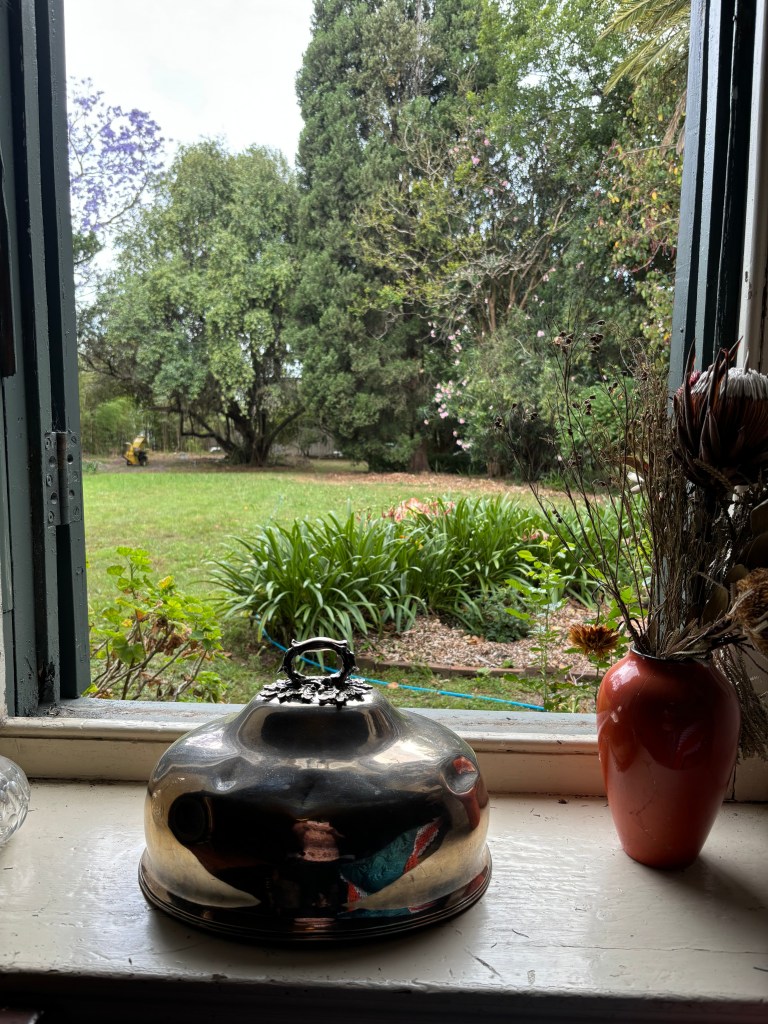
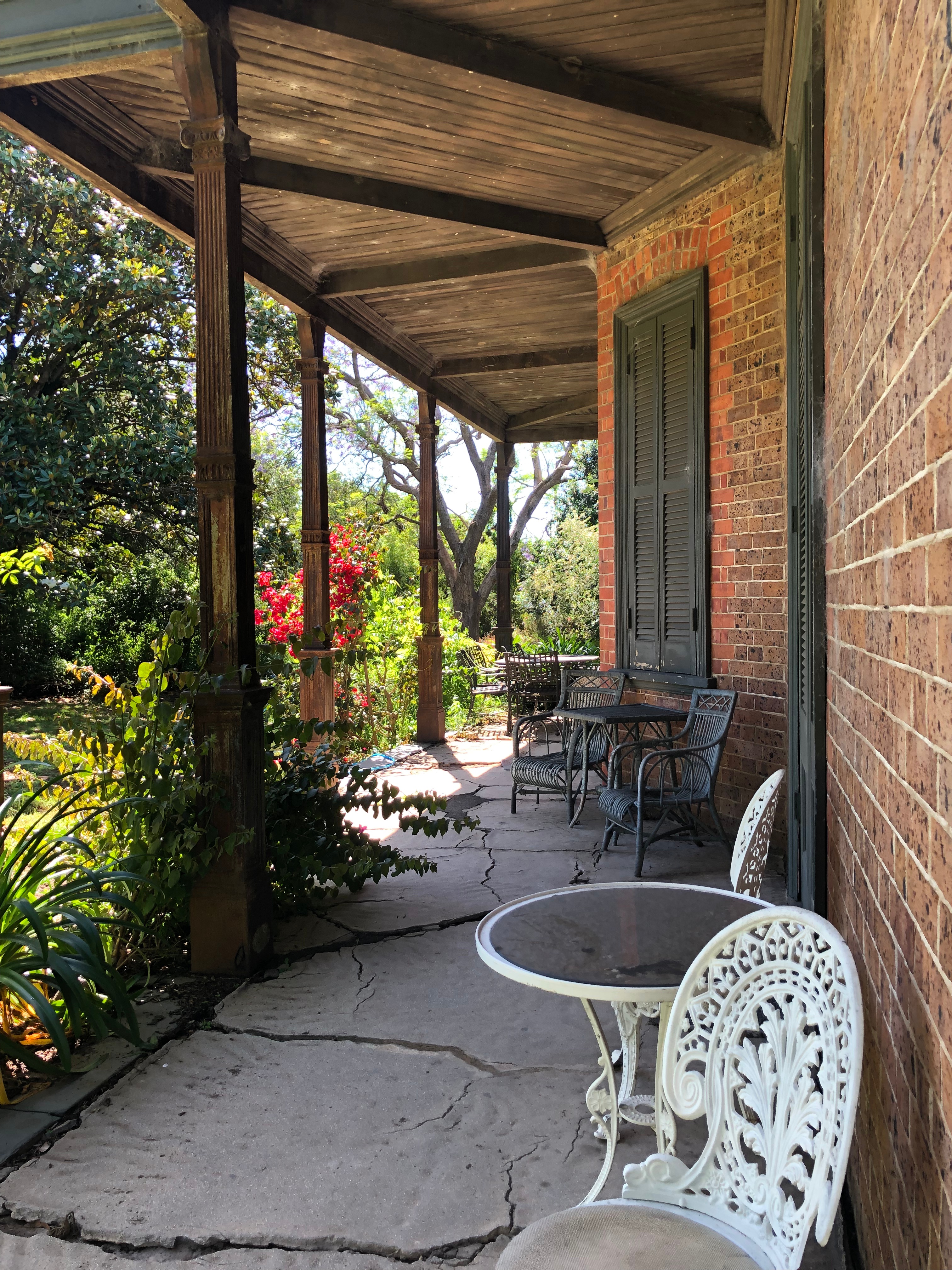
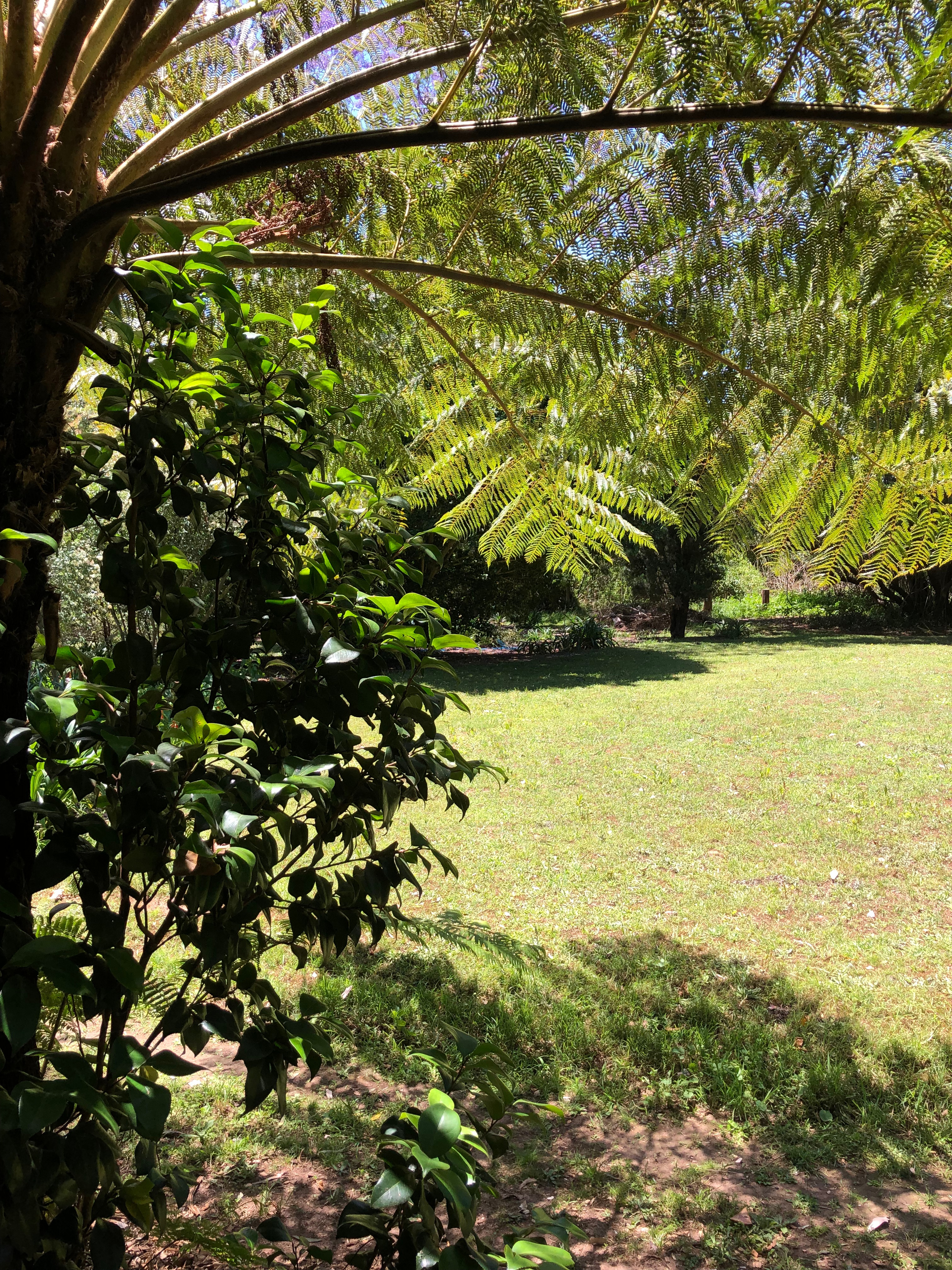
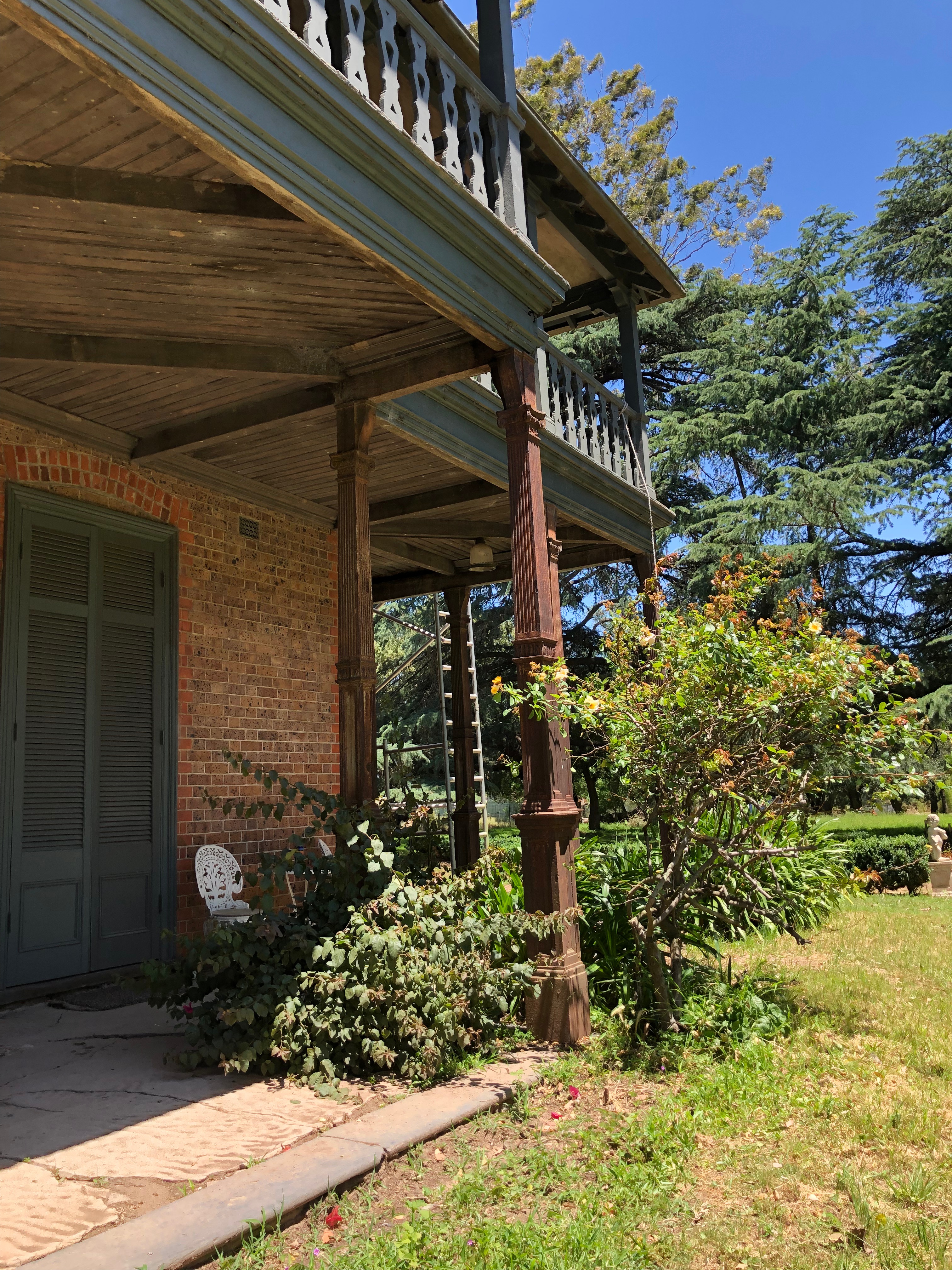
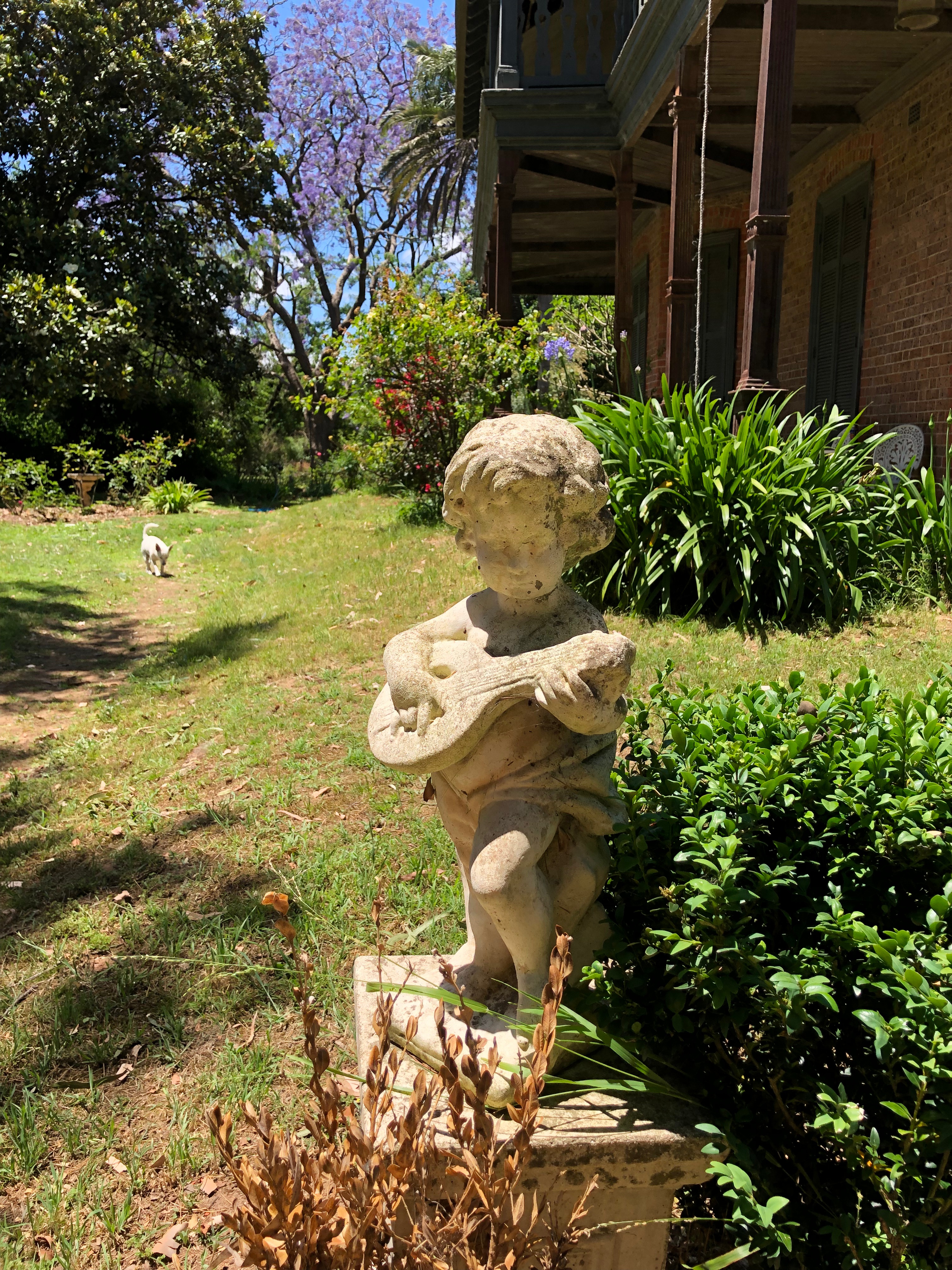
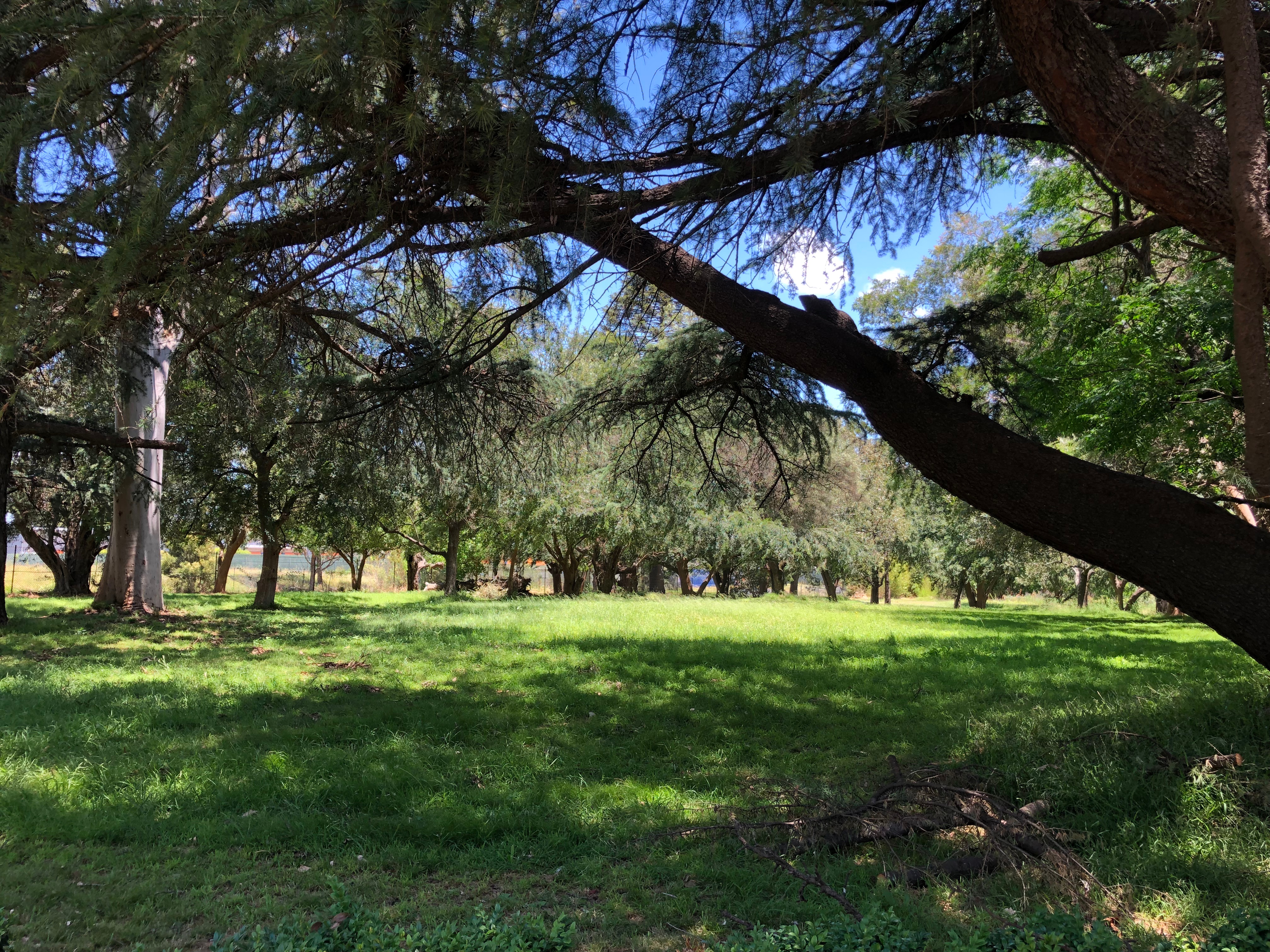
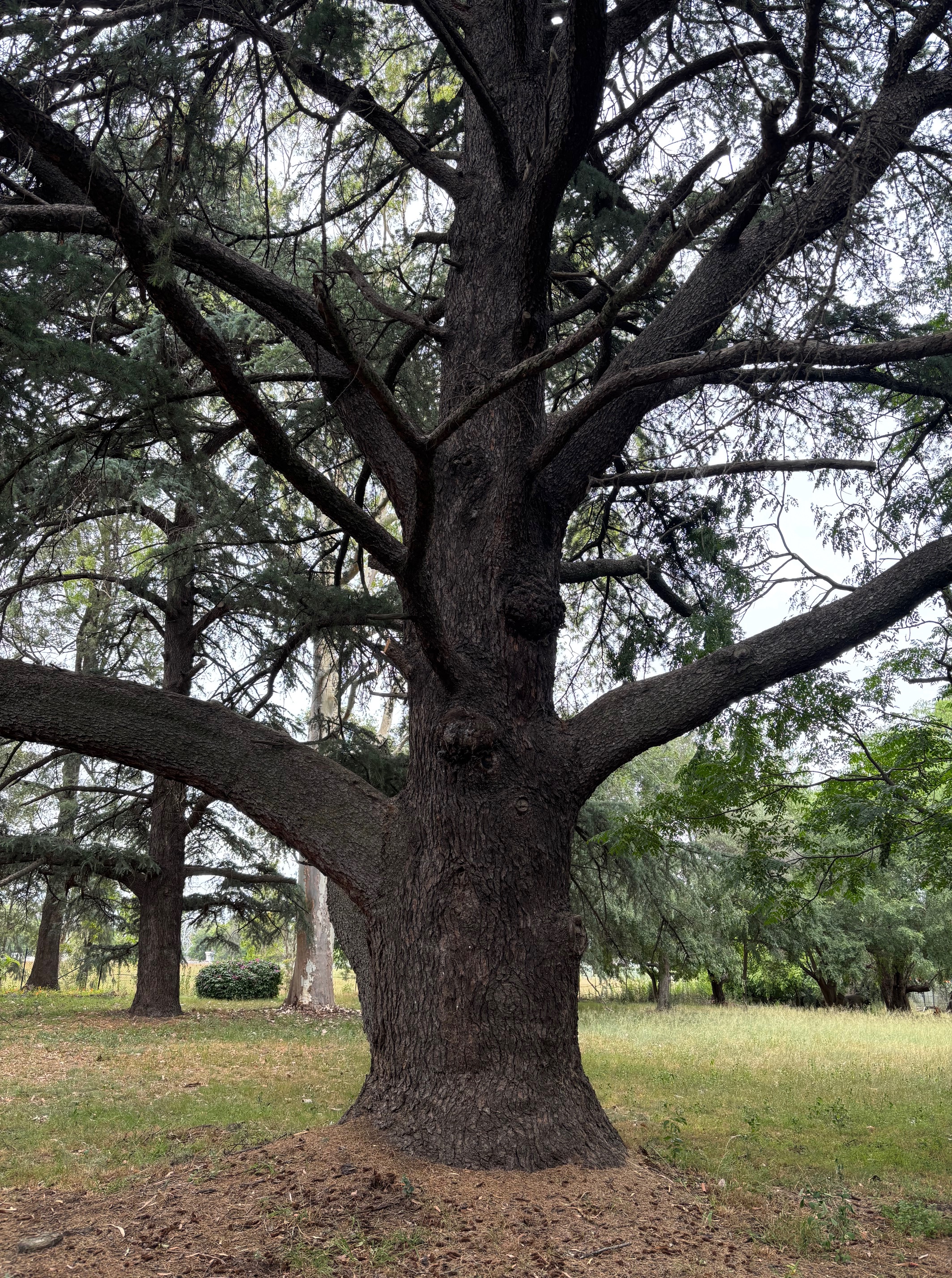
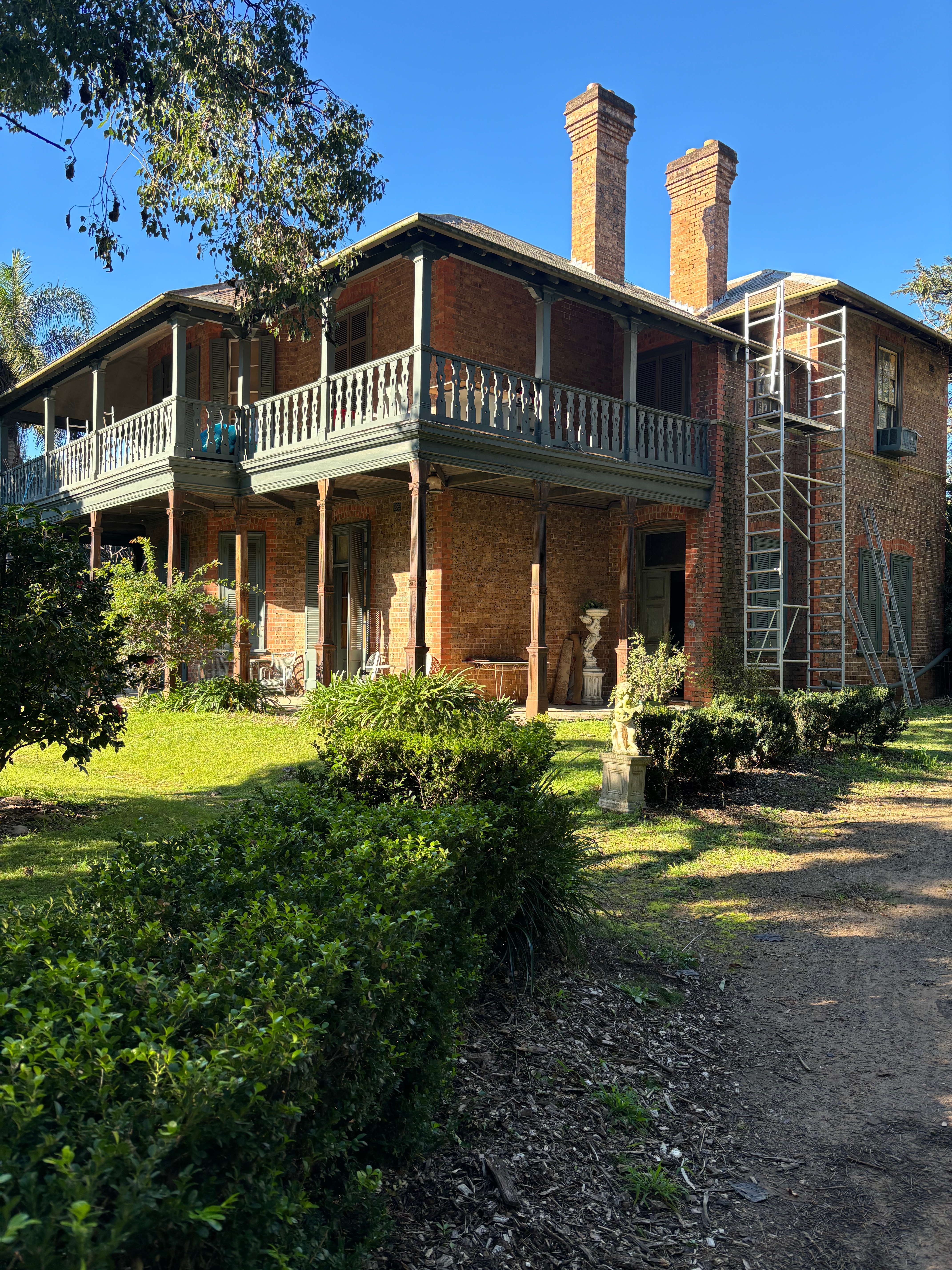
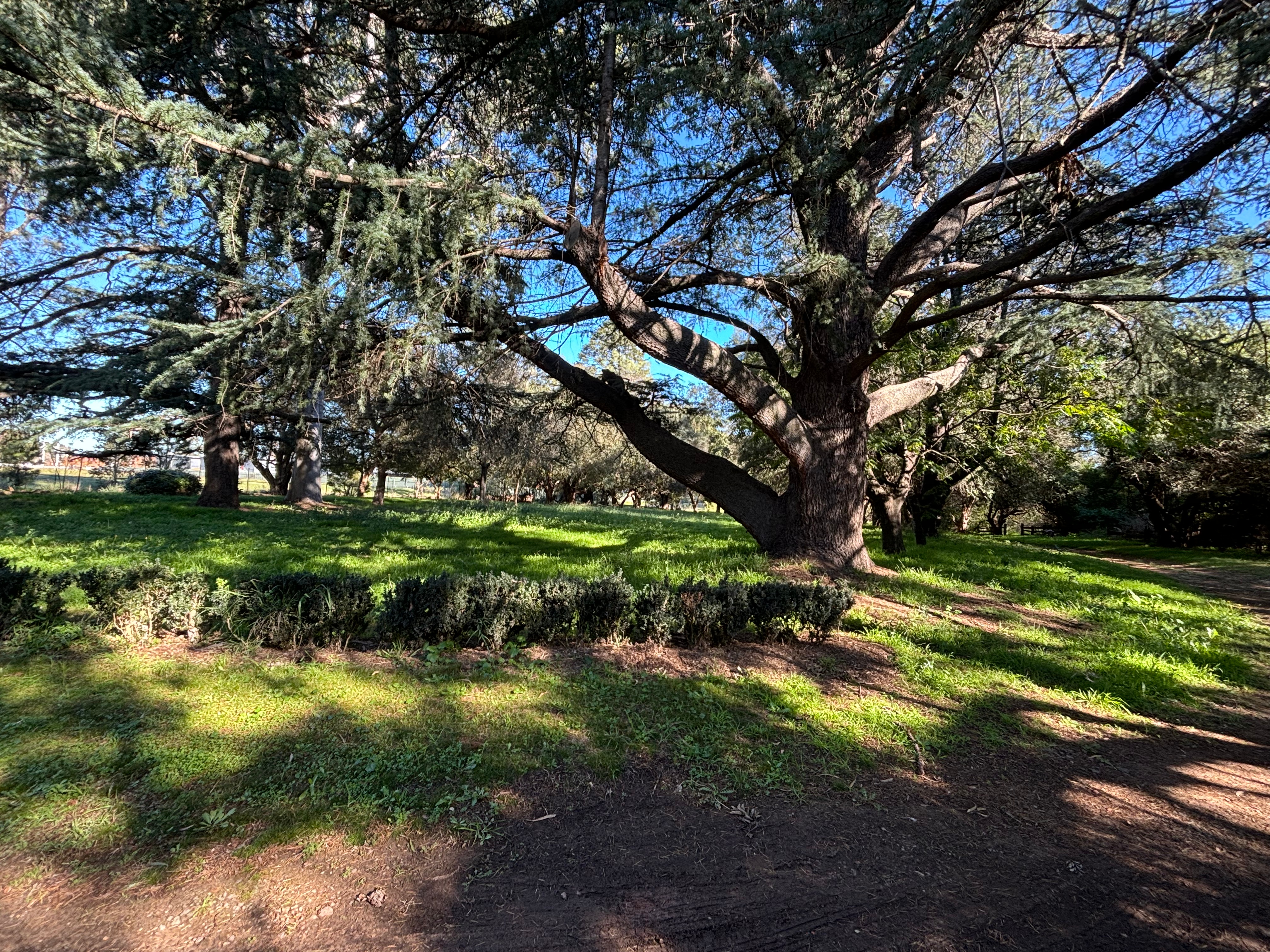
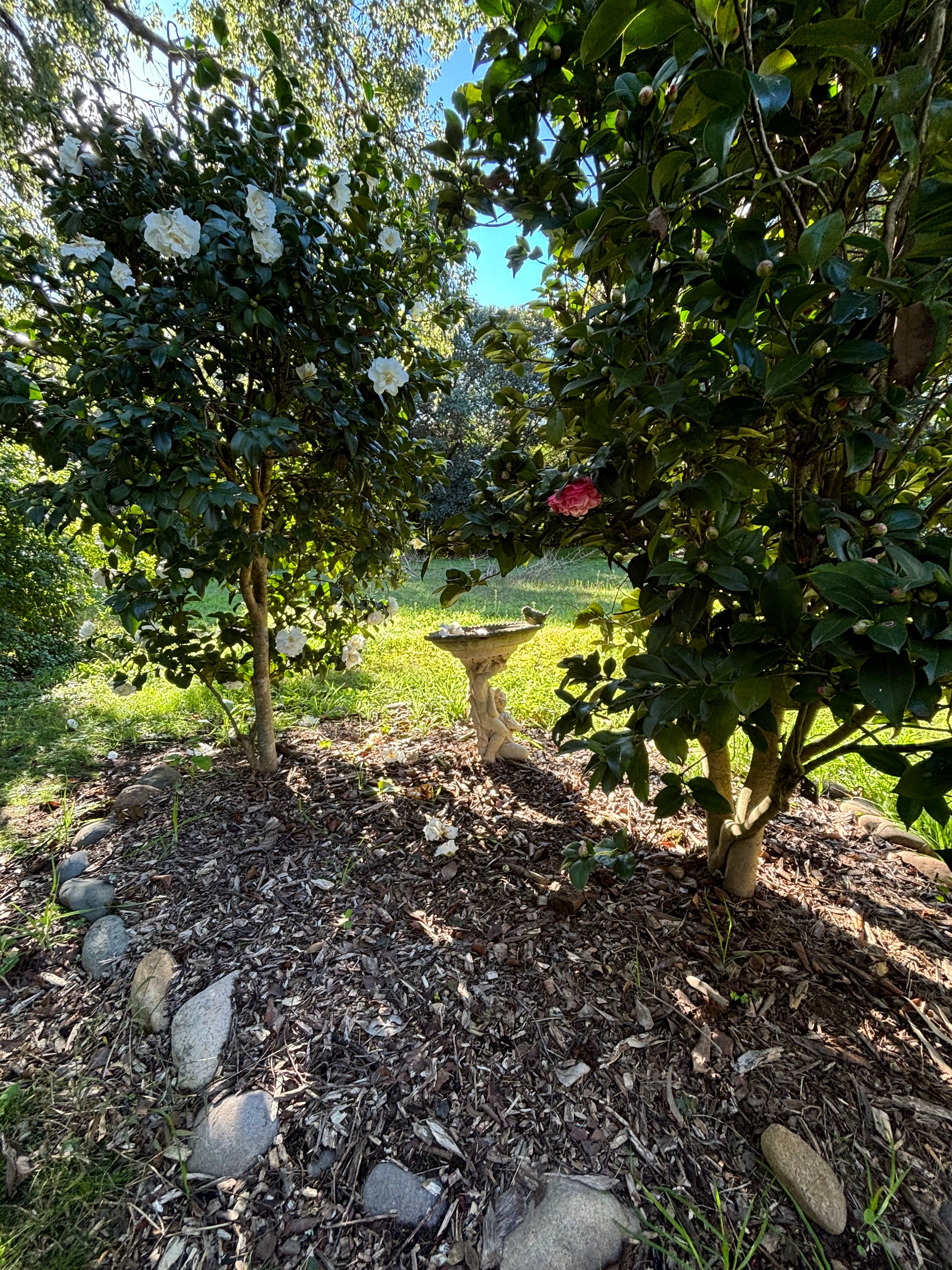
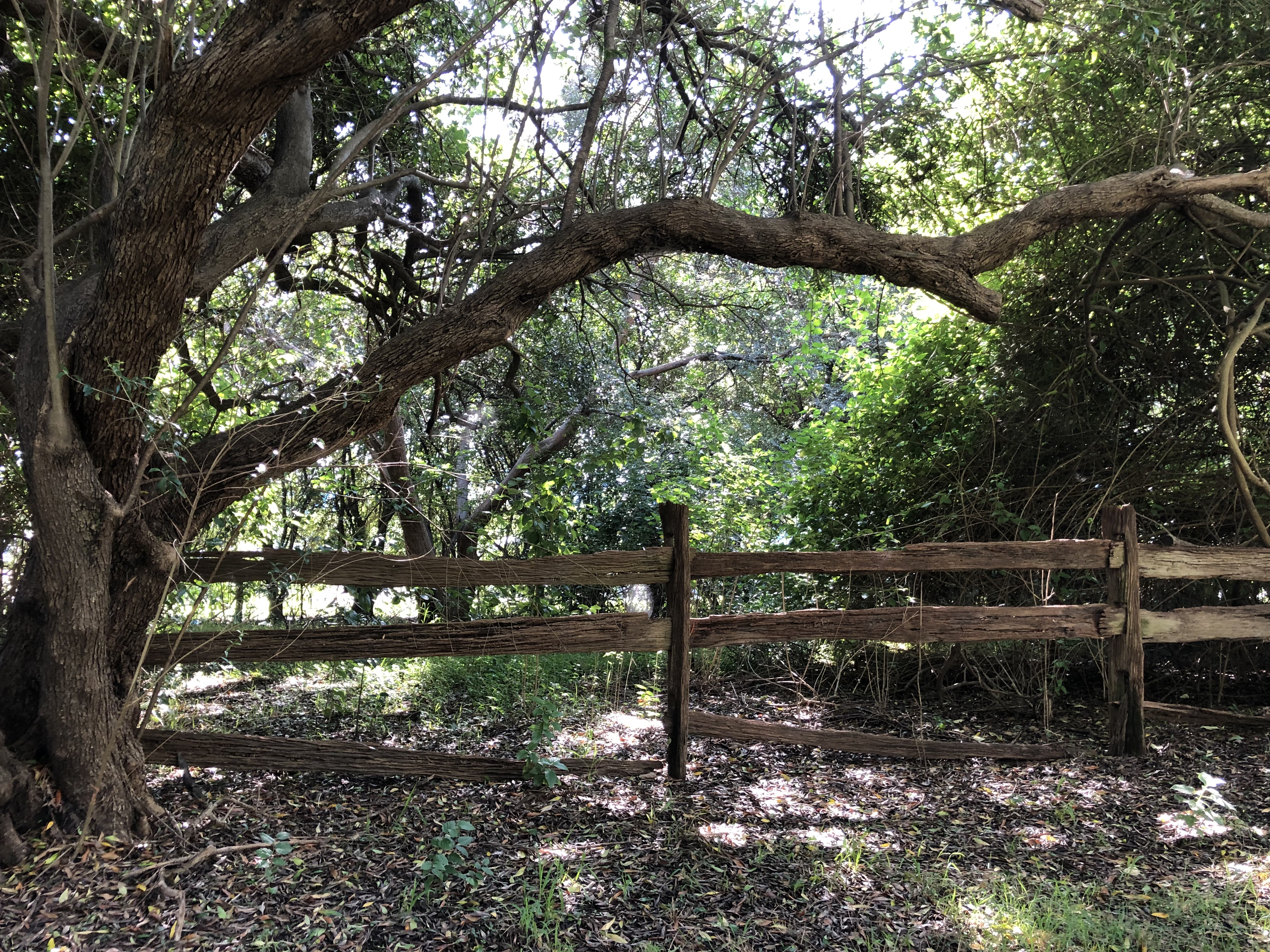
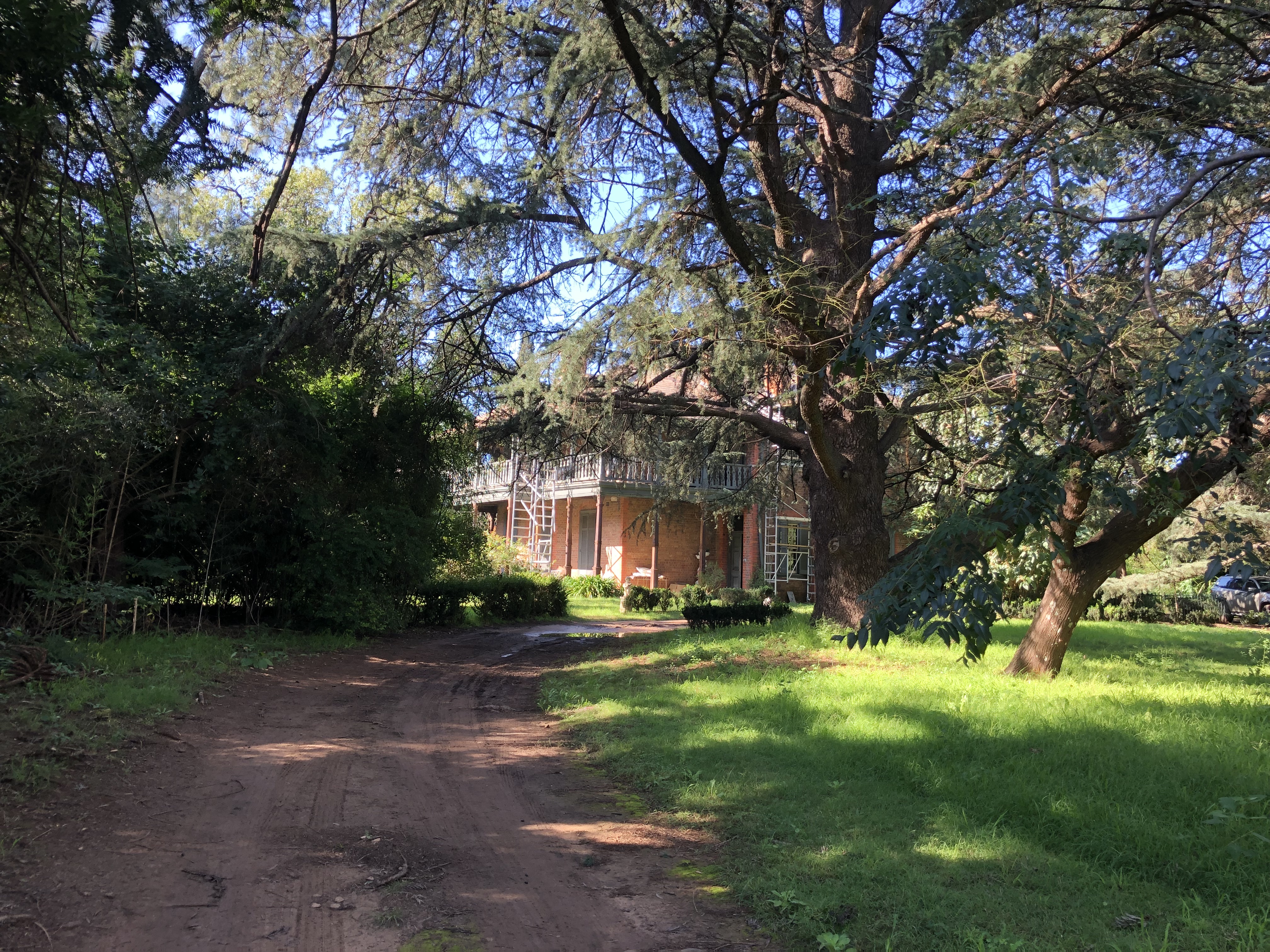
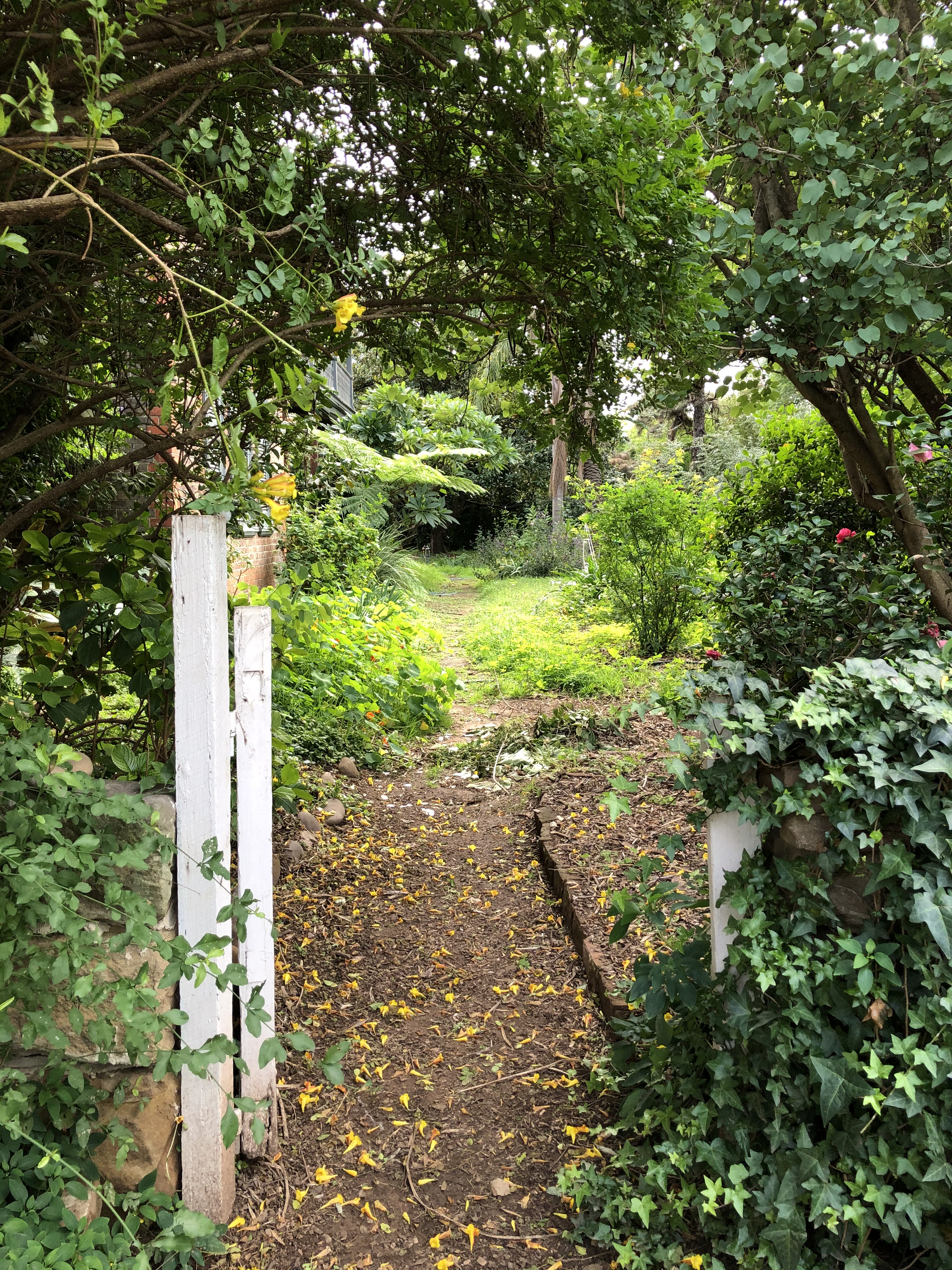
Combewood is located at 234 Coreen Avenue North Penrith, well-hidden behind a wall of shrubbery that — to some extent — shuts out the present world. But as you enter the gates, it’s like Alice in Wonderland — you enter another world — of more than 130 years ago. You turn onto the original carriageway, well worn down over time. The huge two-storey house emerges through the thick forest of trees. There’s a shadowy coolness — and the arms of the huge Himalayan Cedars and Bunya pines wrap across the drive. Underneath is lush and green, at present, but has turned to brown in times of severe drought.
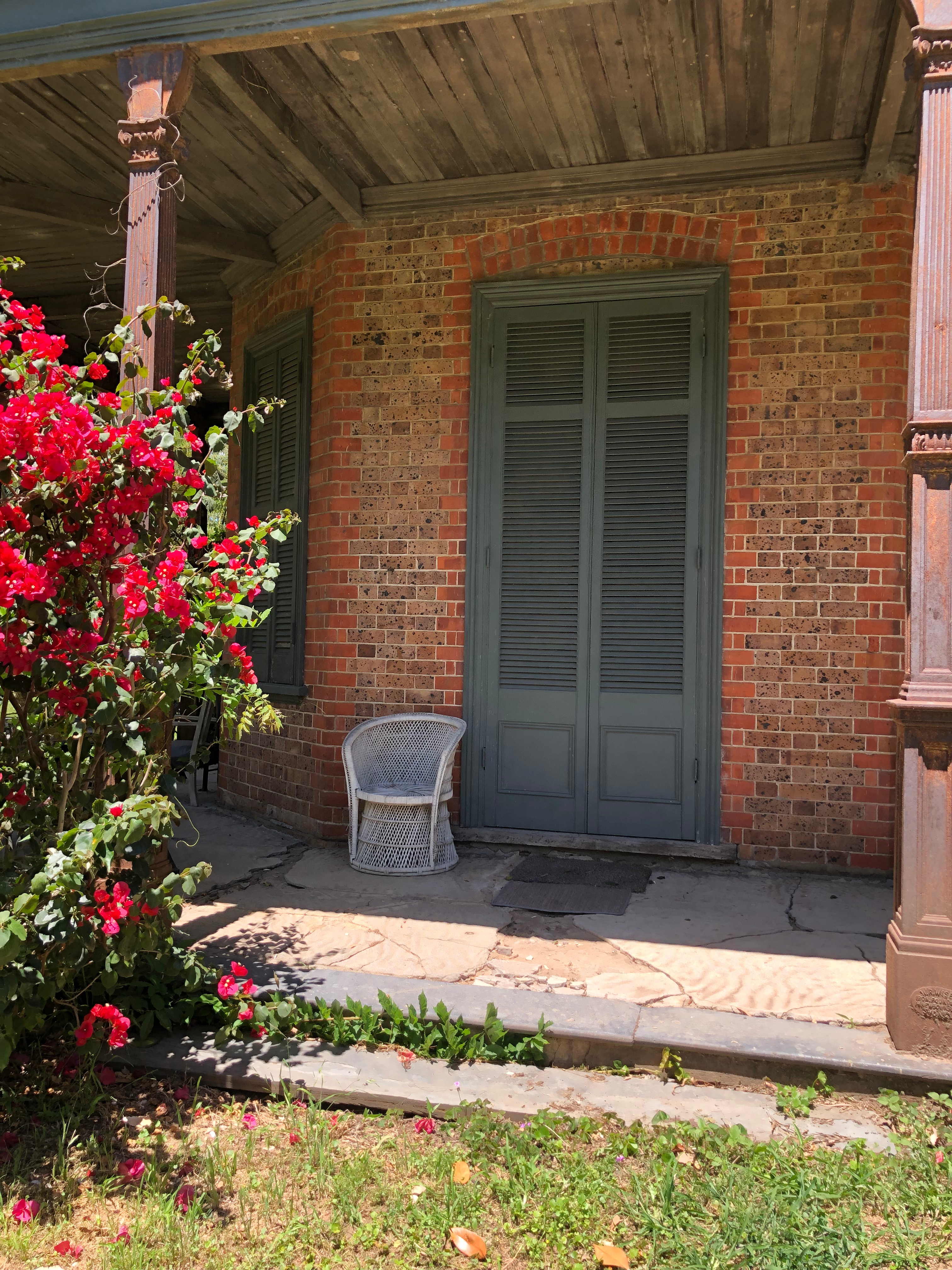
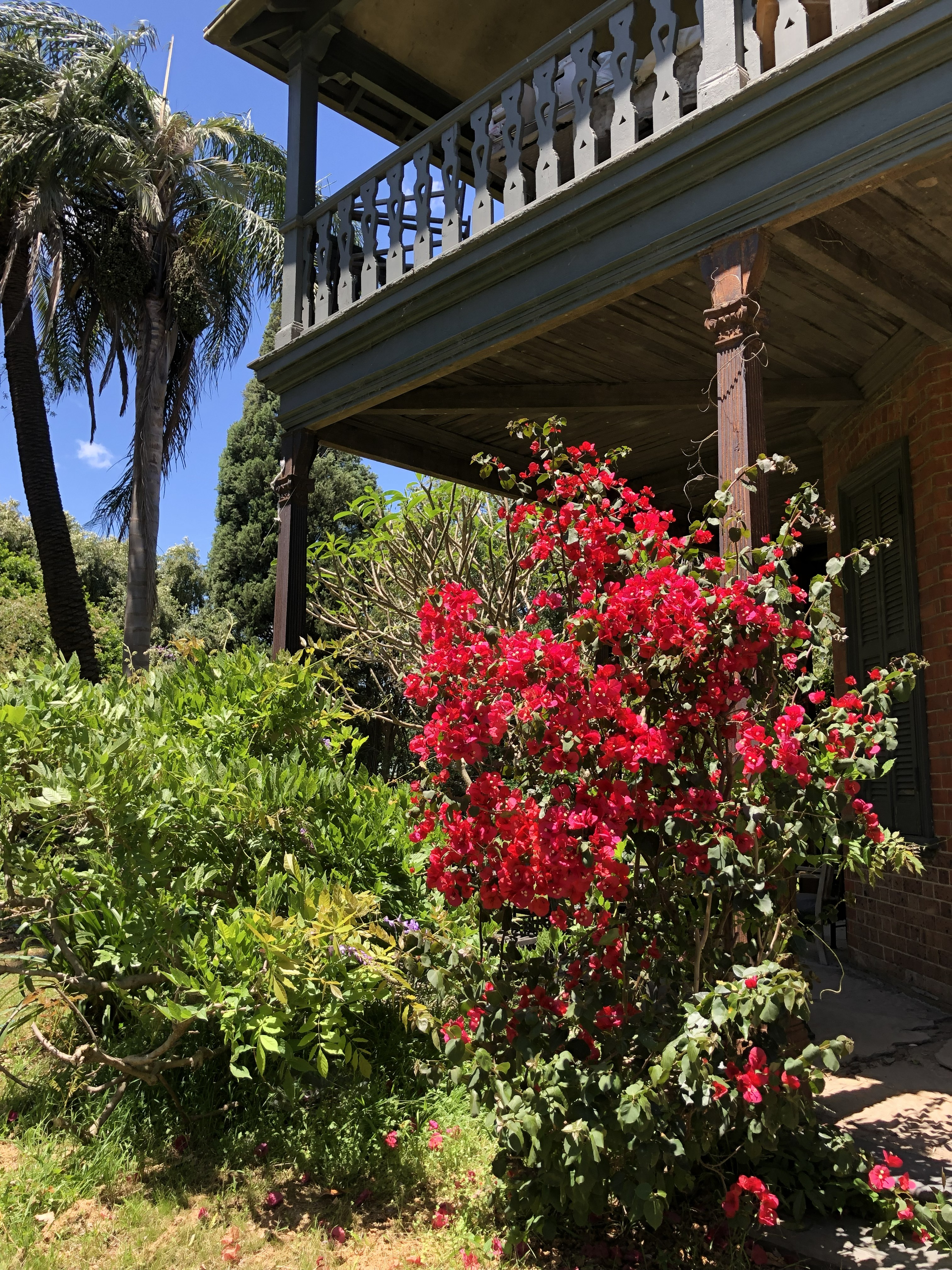
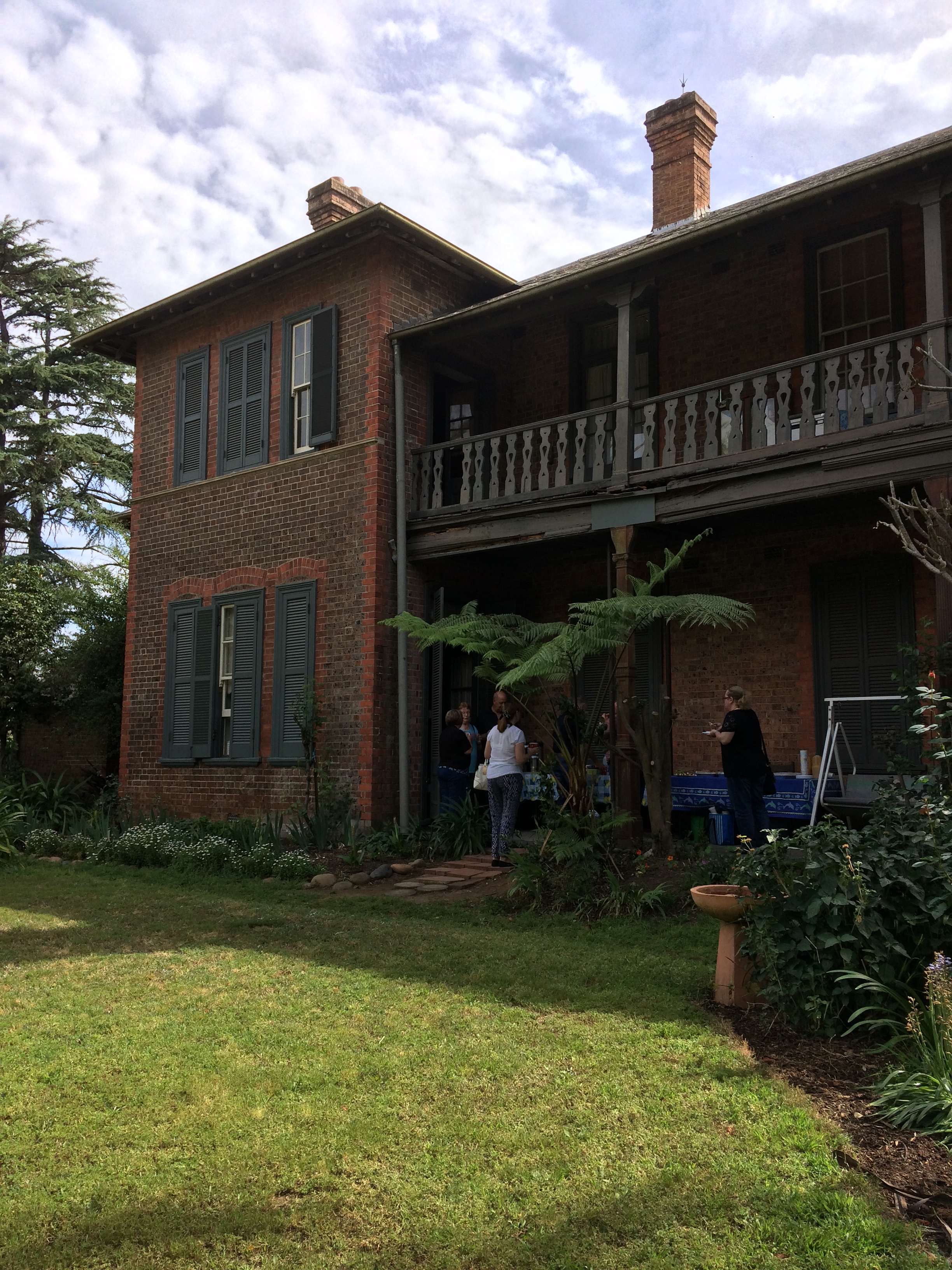
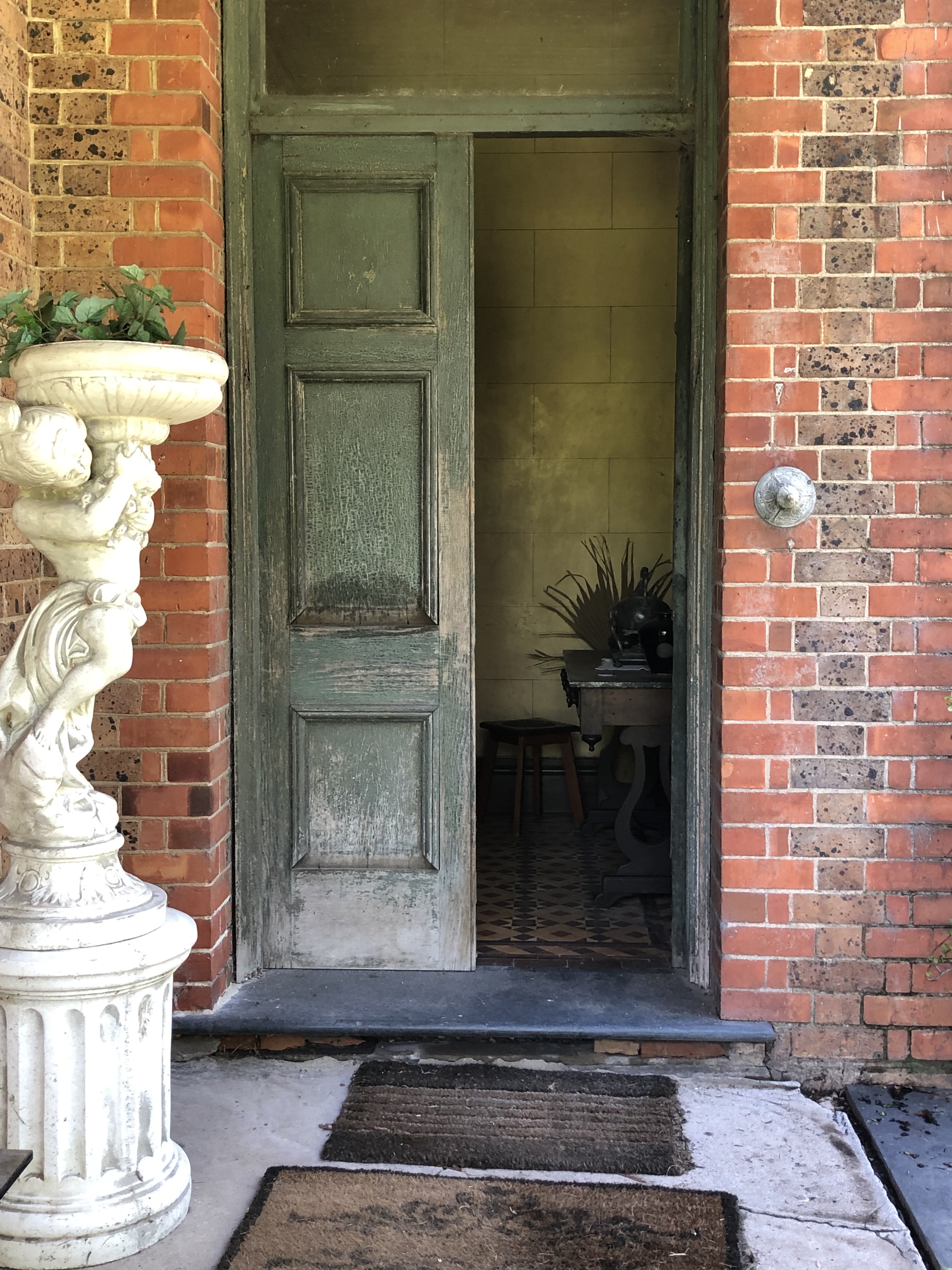
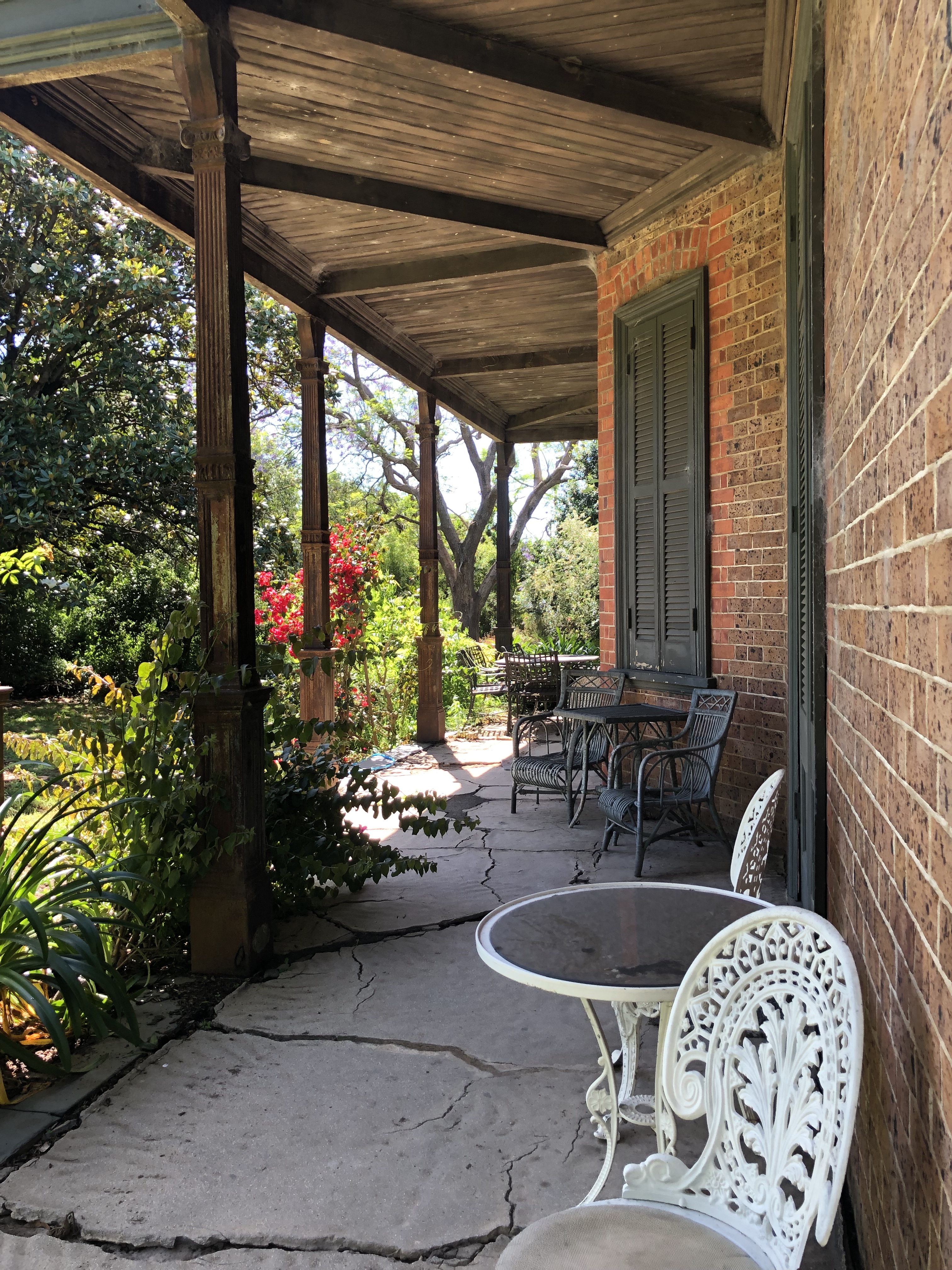
Combewood was commenced in 1883 and completed in the early 1890s, for Francis and Margaretta Woodriff. They had married in Christ Church Anglican Church in Sydney on 15 February 1882 and soon afterwards, went on a tour to England to visit relatives. They also did the Grand Tour, sightseeing in Europe, especially Italy where Margaretta honed her skills as a budding artist. On their return, they brought with them family items, furniture, and plans for their new home to be built in Penrith. While the house was being constructed Francis and Margaretta lived on Liverpool Road Enfield. Their first child to be born at Combewood, was Geoffrey in 1894. Combewood, built in the Georgian style, has many unique features including its plaster Ashlar-walled entrance hall, original bathtub, the blue Welsh slate roof tiles and unusual cast iron pillars. The house was named Combewood — a combination of their surnames — Tingcombe and Woodriff.
Along with his brother Frederick, Francis inherited the Rodley estate at Penrith in 1881 from their father, surveyor Daniel James Woodriff, who had arrived in NSW in 1851 with his wife Jane. After his death in 1865, Jane managed the Penrith estate. Following her death, and after her sons reached the age of 21, a partition deed was drawn up and signed on 21 June 1881, dividing the estate: 497 acres south of the Great Western Road (along High Street) to Frederick, and 503 acres north of the Western Road to Francis. With these arrangements in place the two brothers moved to Penrith after they both had married in 1882.
This tenanted estate was originally 1000 acres granted to their great grandfather Captain Daniel Woodriff who had named it Rodley. The brothers were able to equally split the estate down High Street, from Woodriff Street to the Nepean River. This was undoubtably achieved, owing to William Cox, road builder extraordinaire, who thoughtfully built the Western Road in 1815, straight down the centre of the estate. This grant had been made to Woodriff in recognition for his role in keeping Sydney safe during the Battle of Vinegar Hill Uprising in 1804, and, for losses by his wife’s family during the American War of Independence.
Frederick’s home was named Rodley, which was once on Mulgoa Road, but later was in Vista Street Penrith. It was only demolished a few years ago, for no other reason, in my opinion, than financial gain by the Cammack family who had purchased it, and ineptitude by Penrith City Council to heed the advice of its heritage officer, over many years, to heritage list, and, preserve this important house in our history.
Francis and Margaretta raised nine children at Combewood, three daughters and six sons. Four were born at Combewood. Three sons served in the Great War and two returned. Their income came mostly from their leased farms, homes and shops on Francis’ half portion of the Woodriff estate. Each Monday morning, resplendent in his white suit and pith helmet, and silver topped cane, Francis would personally visit each tenant. The Woodriff family were devout Anglicans, attending St Stephens in High Street where they sat in their pew, third from the pulpit. They walked to church, across the paddock and through the railway gates up to the church.
Francis died in March 1950 and Margaretta in April 1952. The house and gardens were then inherited by their children. The continuous line of Woodriff family ownership ceased when the family sold the house and its surrounding vast grounds to developers.
Also at this time, son-in-law Douglas Tilghman, commenced negotiations with the National Library for it to receive a huge collection of original Woodriff documents, memorabilia and artworks that were held by the family. The collection included original items belonging to Captain Daniel Woodriff, his correspondence, as well as the Rodley tenant book from 1865 to 1881. Also, original large portraits from the house were included.
In the Penrith Planning Scheme Ordinance of 1960, Combewood, situated then on Castlereagh Road was zoned within an industrial area. By then all family members had moved out of the big house. When Penrith Council proposed a new street, Coreen Avenue, its course was to go straight through the house. But there was one family member who kept going back to the empty Combewood, even though she lived at Mudgee. Often with her daughter Margarite by her side, Margaret Cox, Francis and Margaretta’s granddaughter, would sneak into the house, sometimes stealthily at night, all under the guise that she was on a painting retreat, which she was as well. Secretly, she was determined to save it.
At the eleventh hour, and after much discussion with the developers, and support from Penrith Council and local historical groups, Margaret Cox and her brother John, successfully had the road relocated through Combewood’s garden and tennis court. Margaret and John Woodriff then commenced a campaign to not only preserve the home and its remaining contents, but also to purchase it. By the end of the decade Margaret and John had secured, by then, a vandalized Combewood. These vandals destroyed the ceilings, smashed fireplaces, windows, and the dining room mantelpiece. The balcony had been torn down and rubble filled each room. Margaret’s passion won through though and we are so fortunate today that this house is still here for all of us to admire its resilience and grandeur. The carriageway and the house are now heritage listed.
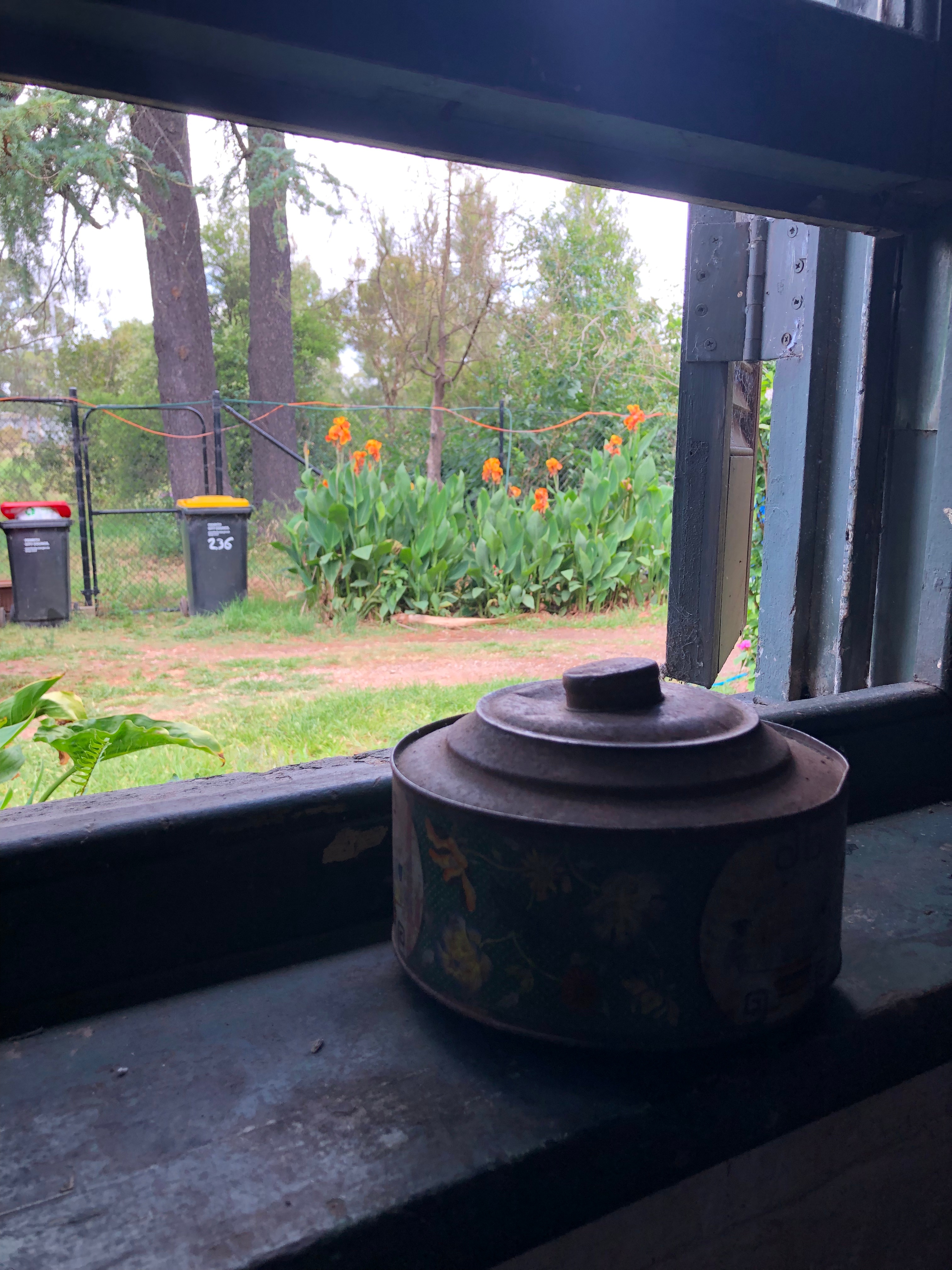
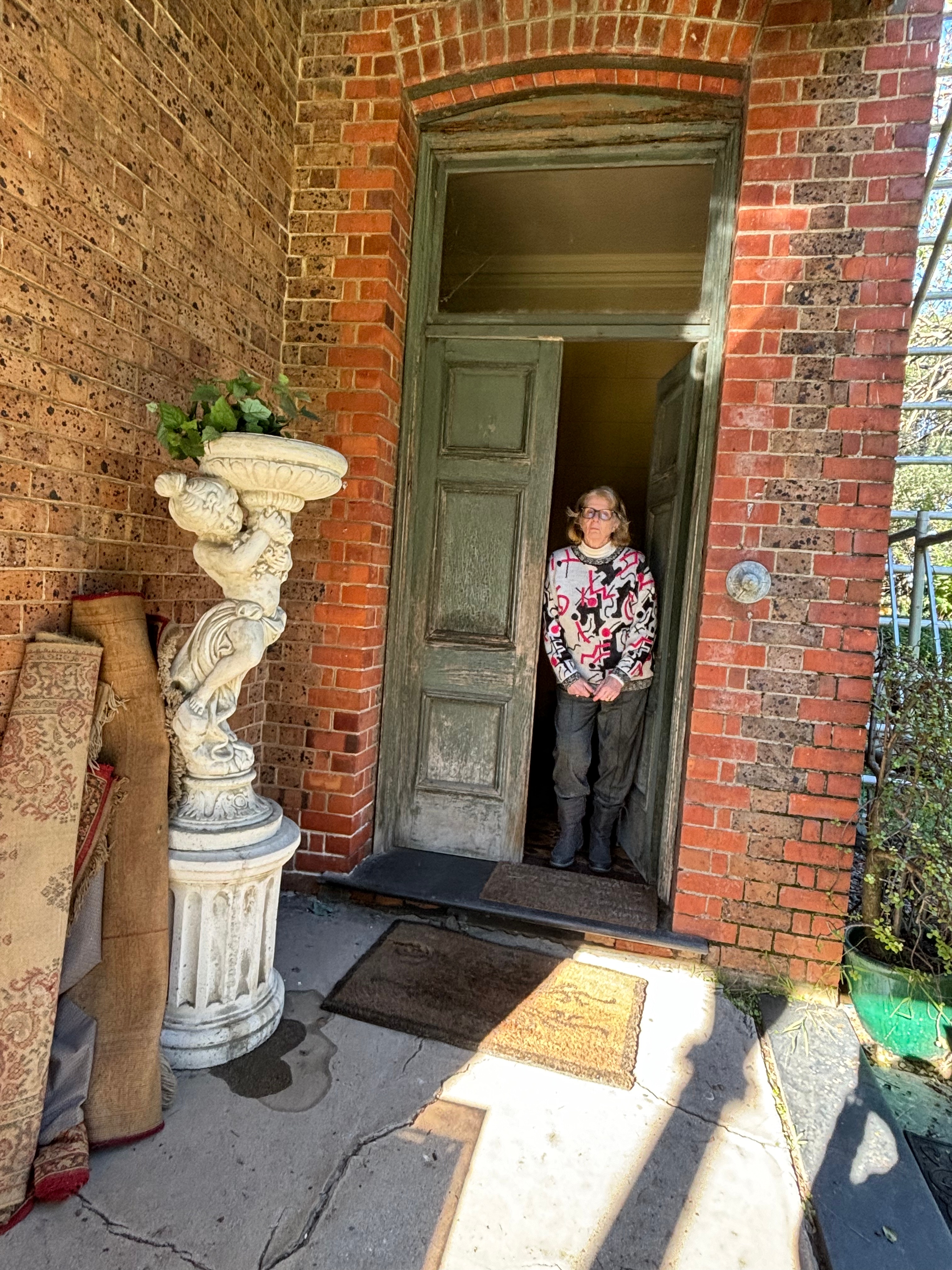
People often talk about a house having ‘good bones’ and this usually means that it is rich in original features. Celebrating traditional elements starts by preserving the architectural details. And this process has been a long, ardous and very expensive venture for Margaret Cox, John Woodriff and Margarite and Ian Scott. So, today Margarite’s home exudes that heritage. It is a conglomeration of memorabilia from the Woodriff and Cox families. What a history. Just as well Combewood is big! It needed to be to fit in all of that history. Items range from a humungous dining table to a lock of hair cut from the head of a family member in 1825! Each item and document exude history.
Lorraine Stacker
Archivist
Combewood House

